№01 · ADVICE · LEGAL
Tree Preservation Orders (TPOs)
How to check, the council process, and what happens if you cut without consent.
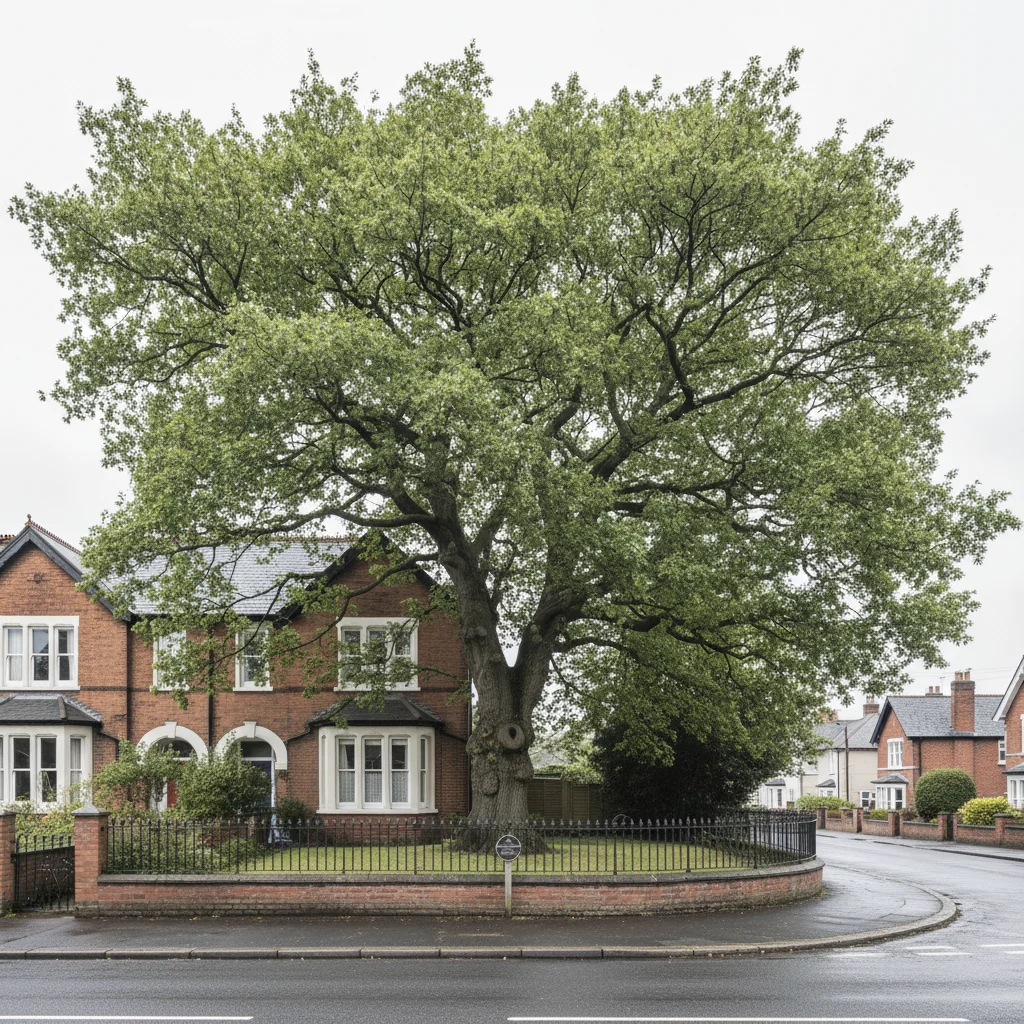
TPOs and Conservation Area trees need formal consent before any work. We submit the paperwork to Stoke-on-Trent City Council on your behalf and route the job to a contractor who knows the local process.
R oughly speaking: if your tree is in one of Stoke-on-Trent's 22 Conservation Areas, or if it has a Tree Preservation Order on it, you cannot legally do tree work without telling (or getting consent from) the council. The two routes are different. A Tree Preservation Order requires a formal application for consent — the council assesses and either approves, refuses or modifies what you've asked for. A Conservation Area tree requires a Section 211 notice — you tell the council what you propose, and they have 6 weeks to either refuse or let it proceed.
In either case, doing the work without going through the process risks a Magistrates' Court fine of up to £20,000 per tree, with serious cases referred to the Crown Court where fines can be unlimited. The council does check, especially in known Conservation Areas like Hartshill, Penkhull and Trentham, and prosecutions are not rare.
What we do: check the tree's status (online via the council's planning datasets and, if needed, by direct enquiry); prepare the application or §211 notice with the right tree species, location, and proposed work description; submit it on your behalf; and only pass the job to a contractor once we have the paperwork in hand. This adds 2–6 weeks to the timeline depending on the route, but it's the difference between a clean job and an enforcement notice.
Mature lime in a Hartshill Conservation Area garden needing a crown reduction
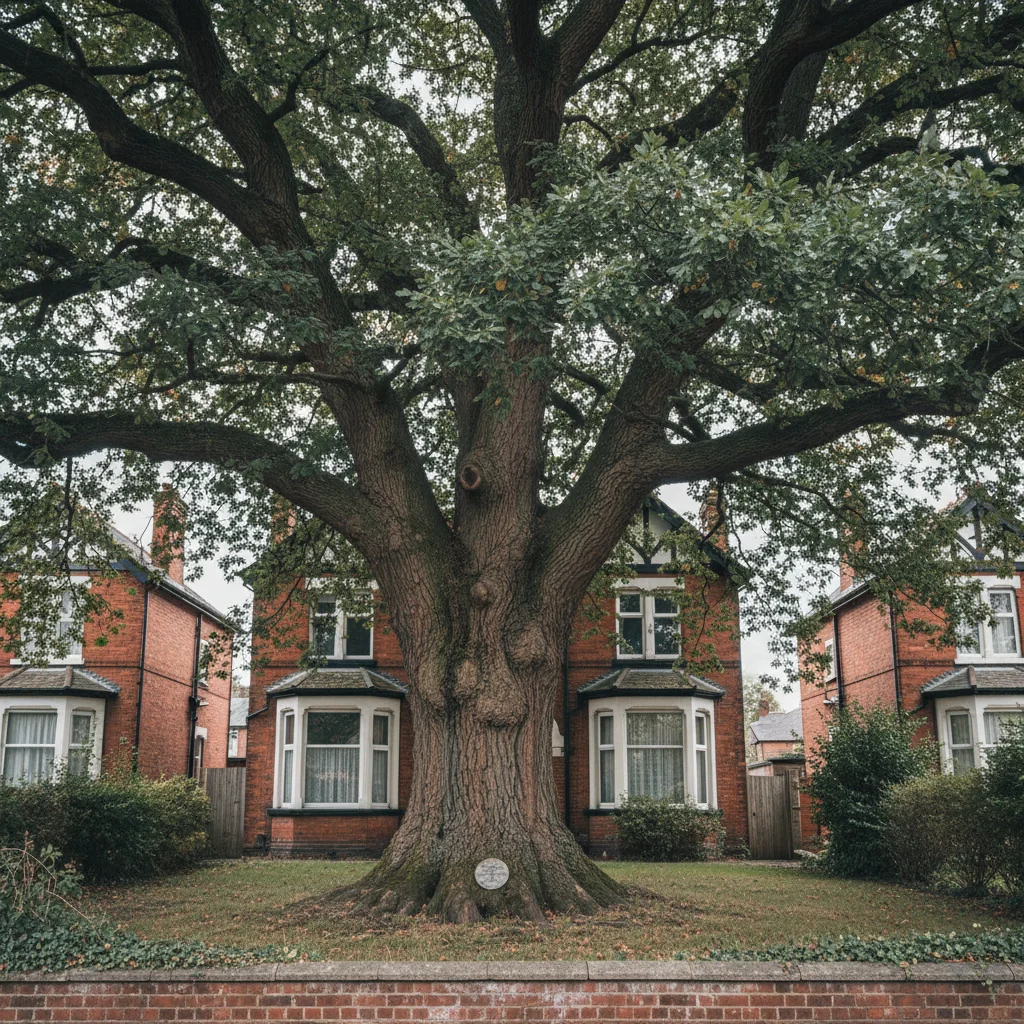
Oak with a confirmed TPO that the homeowner wants pruned
Sycamore in a Penkhull street where the council has flagged it as protected
Insurance-driven removal of a protected tree (subsidence)
TPO-applied tree that has dieback and needs removal — the council will usually consent if the evidence is clear
We check whether your tree has a TPO and whether it's in a Conservation Area. Both are recorded in the council's planning datasets.
Tree species, location, height, the work proposed, the reason. Submitted to the council on your behalf.
TPO consent: typically 8 weeks. §211 notice: 6 weeks. We track the timeline and confirm with you when we have the green light.
Contractor does the work exactly to the consented scope. Any deviation needs a new notification.
Protected tree work cost includes the council paperwork (typically £50–£150 admin) plus the work itself. Timeline 6–8 weeks for council consent.
SEE OUR FULL COST GUIDE →Stoke-on-Trent City Council publishes its planning constraints map online (planning datasets via stoke.gov.uk). You can search by address. We do this check for free as part of any enquiry. If it's not clear from the map, we ring the council's tree officer to confirm — it's a 10-minute job and saves you a possible £20,000 fine.
A TPO is applied to a specific tree (or group of trees) by the council and requires formal consent before any work. A Conservation Area is a geographic zone — every tree within it over 75mm trunk diameter at 1.5m height is automatically protected, and any work needs a Section 211 notice giving the council 6 weeks' notice. A tree can be in a Conservation Area AND have a TPO, in which case the TPO consent process takes precedence.
A §211 notice (Conservation Area only) is a fixed 6-week window — the council has 6 weeks from receipt of the notice to either consent, refuse, or make a TPO instead. A formal TPO consent application typically takes 6–8 weeks but can extend if the council asks for more information. We track both for you.
The council can prosecute regardless of intent — the offence is one of strict liability. The fine in the Magistrates' Court can be up to £20,000 per tree, and serious cases (multiple trees, or commercial benefit) go to the Crown Court with unlimited fines. If you've made a mistake, get advice quickly — voluntary disclosure to the council, evidence of mitigation (e.g. planting a replacement) and engaging a competent arborist for a remediation plan all help.
Often, but not always. The council weighs the public amenity value of the tree against the reason for the work. Routine pruning and reduction in line with good arboricultural practice are usually consented. Removal is harder to get — the council typically wants evidence of significant subsidence damage, advanced disease (ash dieback at a stage where the tree is unsafe), or structural failure. We help frame the application in a way that addresses what the council is looking for.
How to check, the council process, and what happens if you cut without consent.
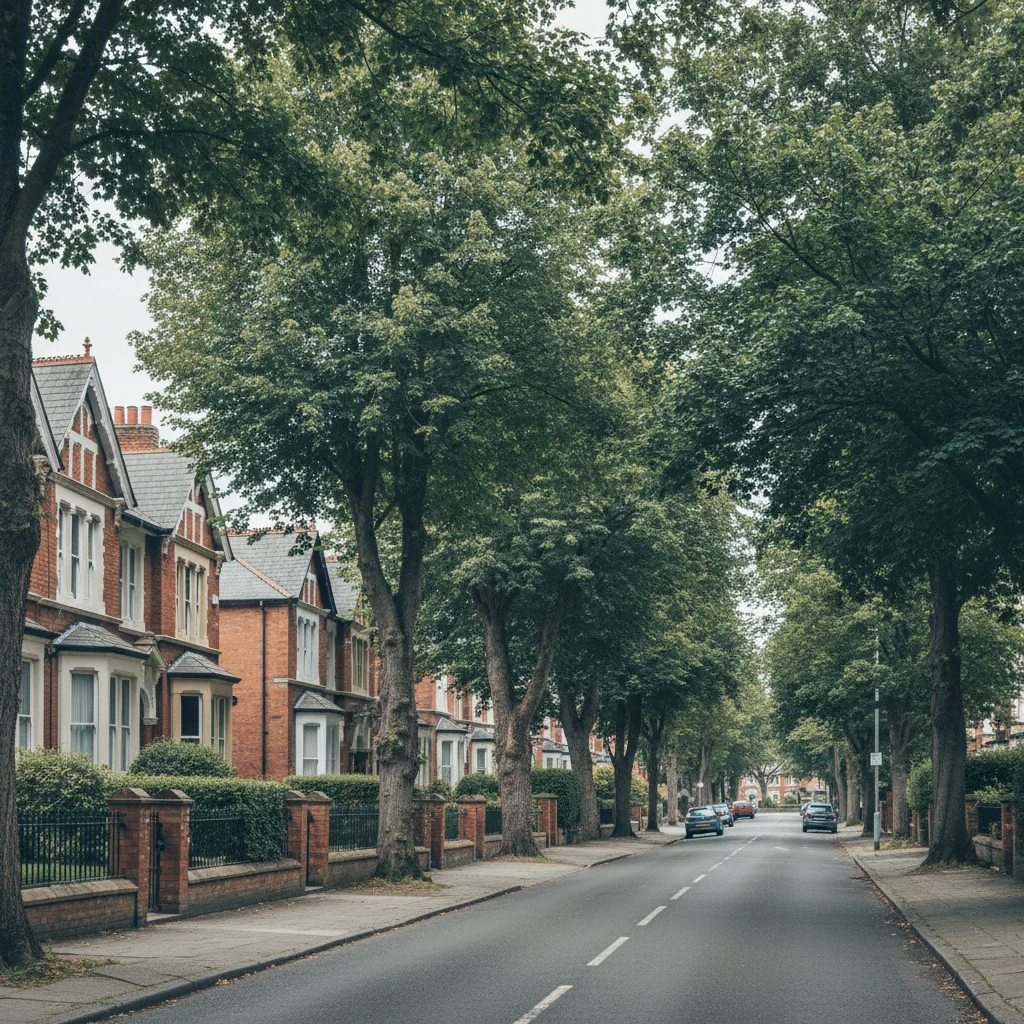
Tree work in a Stoke Conservation Area needs 6 weeks notice.
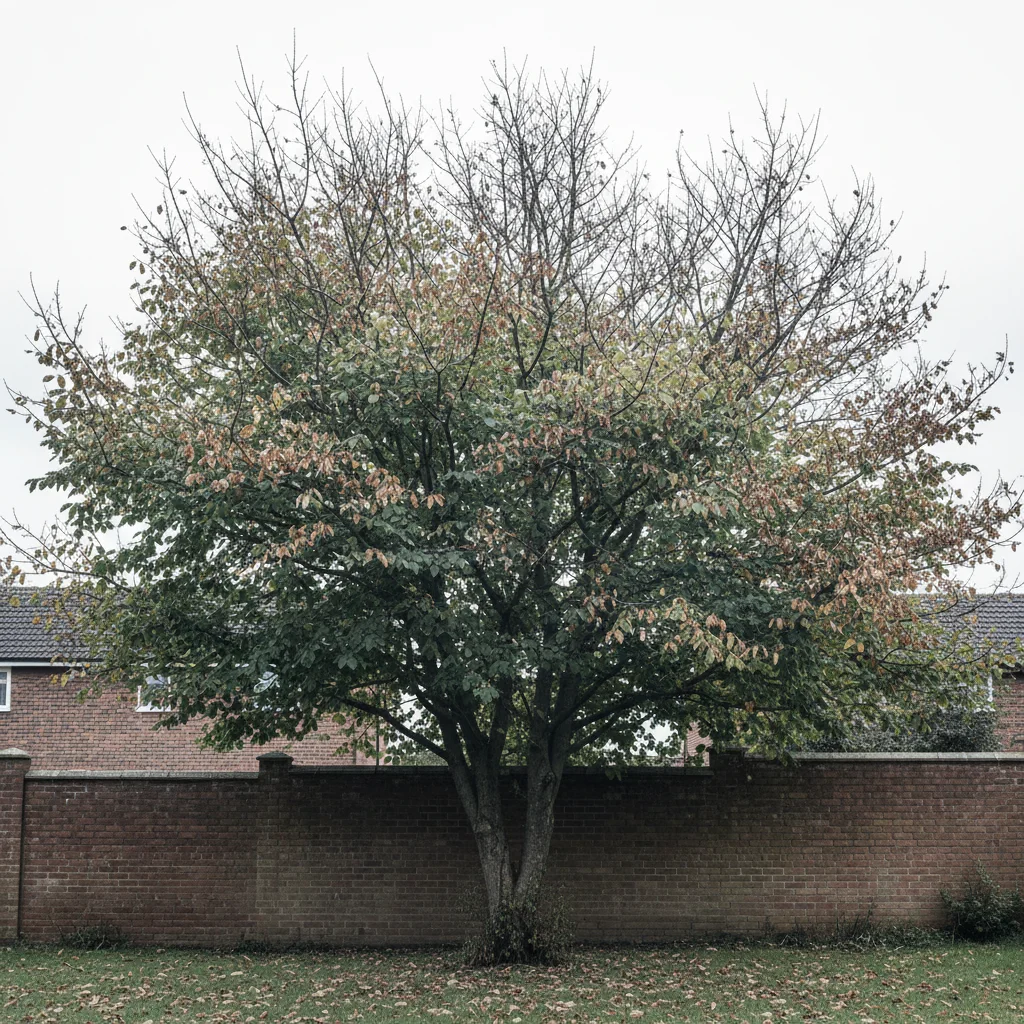
Spotting it, the safety risk, and when felling becomes necessary.
Free, no-obligation quote for protected tree work (tpo / conservation) from a vetted local contractor — usually within 24 hours.