№01 · ADVICE · LEGAL
Bird Nesting Season & Tree Work
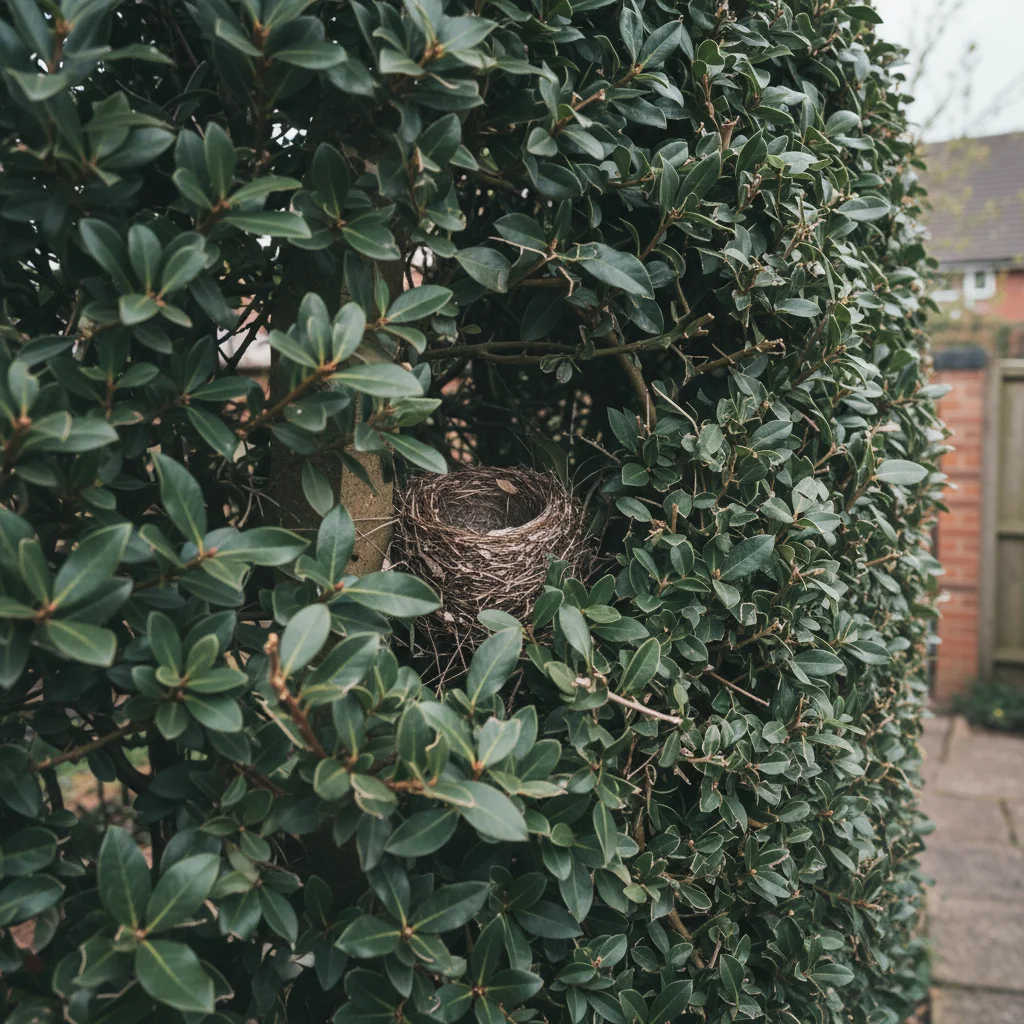
Active nests are legally protected March through August.
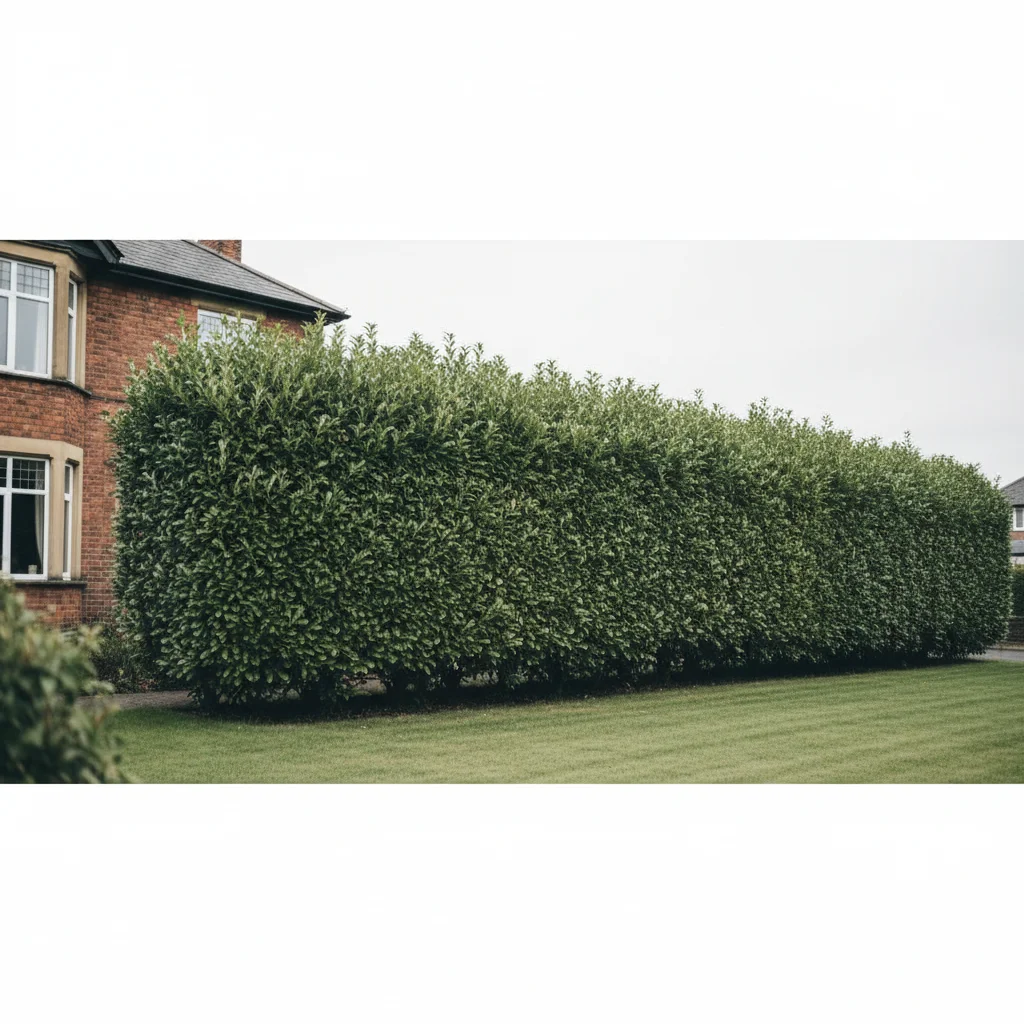
Conifers, laurels, beech, leylandii. We match the right contractor and the right kit for the job — and we check for nesting birds before any blade goes in.
M ost hedge work in the Potteries is straightforward annual trimming. The harder jobs are mature leylandii reductions, where the homeowner has let a hedge get to 6m+ and now wants it back to a manageable 2.4m. Leylandii won't regrow from old wood — go too far back into the brown and you're left with a permanent bald patch. A good contractor will tell you that up front and quote a staged reduction over two or three seasons if a one-pass cut would scar the hedge.
The big legal constraint is bird nesting season. Under the Wildlife and Countryside Act 1981, it's an offence to destroy an active nest. The practical period contractors avoid hedge work in is roughly 1 March to 31 August — but it's the active nest that's protected, not the calendar date, so a careful pre-work nest check can sometimes allow work to go ahead in shoulder months. We won't pass a hedge job to a contractor who skips the nest check.
If your hedge is causing a dispute with a neighbour — blocking light, growing across the boundary — the Anti-Social Behaviour Act 2003 high hedges provisions may apply. Stoke-on-Trent City Council can issue a remedial notice. We have a separate guide that explains the process.
Annual leylandii or laurel trim
Mature leylandii hedge reduction from 6m+ down to a manageable height
Beech or hornbeam shaping in a formal garden
Mixed hedgerow trim — keeping the wildlife value while keeping it tidy
Pre-sale tidy-up before putting the house on the market
Free. Contractor checks for active nests (especially March–August), agrees the cutting height and species approach.
Itemised, includes waste removal.
Right kit for the species (petrol hedge trimmer, pole, sometimes chainsaw for thick leylandii stems). Cleanups as the cut progresses.
All cuttings chipped on-site or removed. Lawn brushed clear, fence-line tidied.
Hedge cutting cost varies with length, height, species (leylandii heavier than beech) and waste volume.
SEE OUR FULL COST GUIDE →There's no outright ban, but it's an offence under the Wildlife and Countryside Act 1981 to damage or destroy an active bird nest. In practice, contractors avoid hedge work from 1 March to 31 August because that's the peak nesting window. Outside those months, work is straightforward. Inside them, a competent contractor will do a thorough nest check before any blade goes in and won't proceed if there's an active nest.
Not into the brown wood — leylandii won't regrow from bare wood and you'll be left with a permanent bald patch. The contractor will tell you how far back you can safely go (the green line) and may recommend a staged reduction over two or three seasons if you want to bring a tall hedge down significantly. Don't trust a contractor who promises to take a leylandii back 2m in one visit without warning you about this.
The Anti-Social Behaviour Act 2003 lets Stoke-on-Trent City Council issue a remedial notice if a hedge of two or more evergreens over 2m tall is "adversely affecting" a neighbour's reasonable enjoyment of their property (mainly by blocking light). The council will try mediation first; if that fails, they can order the hedge to be reduced. It's a slow process — usually 6–12 months — and most cases are resolved without enforcement. Our high hedges guide covers the process step by step.
A standard annual trim of a domestic hedge is usually £80–£250 depending on length and access. A one-off reduction (taking a tall hedge back significantly) is £200–£800 depending on height and waste volume. Multiple hedges in one visit are cheaper per hedge. The contractor's quote will be itemised.
Active nests are legally protected March through August.

When a 2m+ evergreen hedge crosses into council complaint territory.
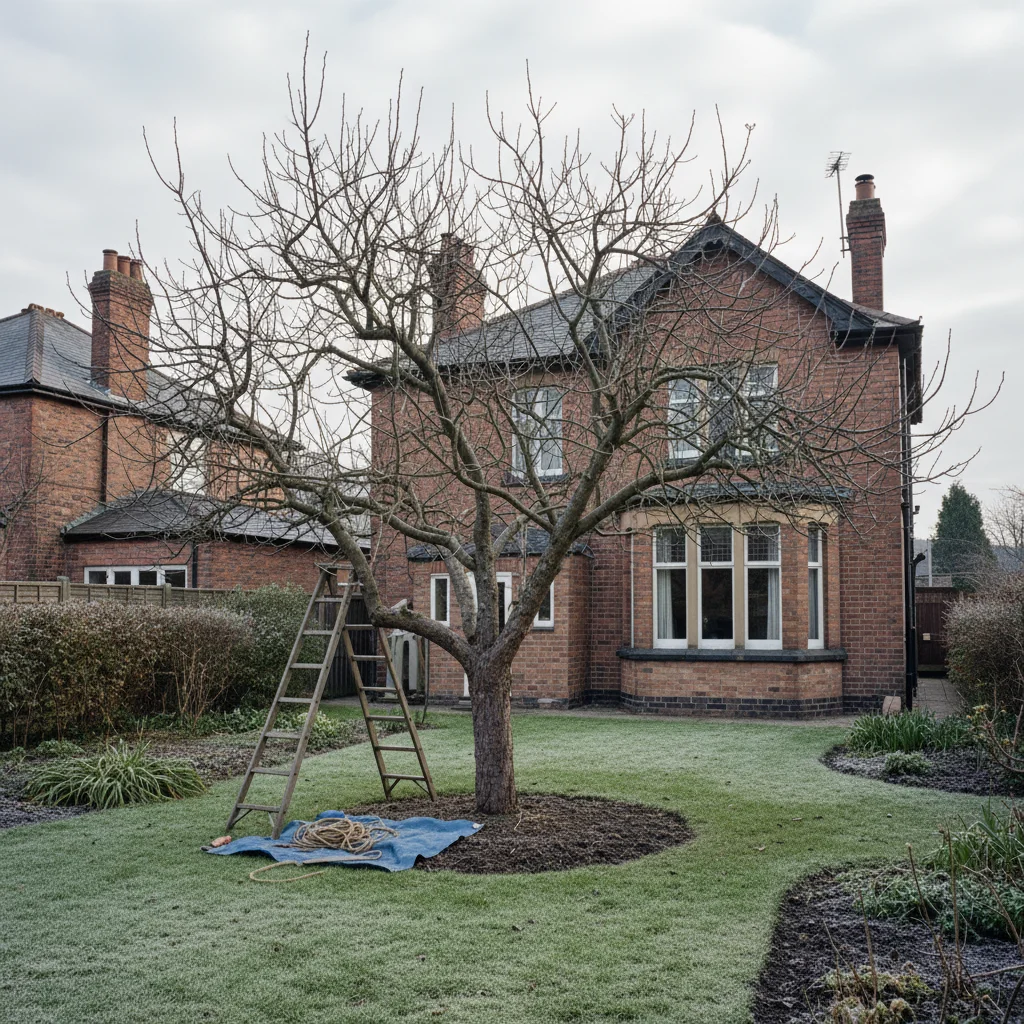
Pruning windows by species, plus the nesting season rules.
Free, no-obligation quote for hedge cutting & trimming from a vetted local contractor — usually within 24 hours.