№01 · ADVICE · PROCESS
When to Prune Trees in North Staffordshire
Pruning windows by species, plus the nesting season rules.
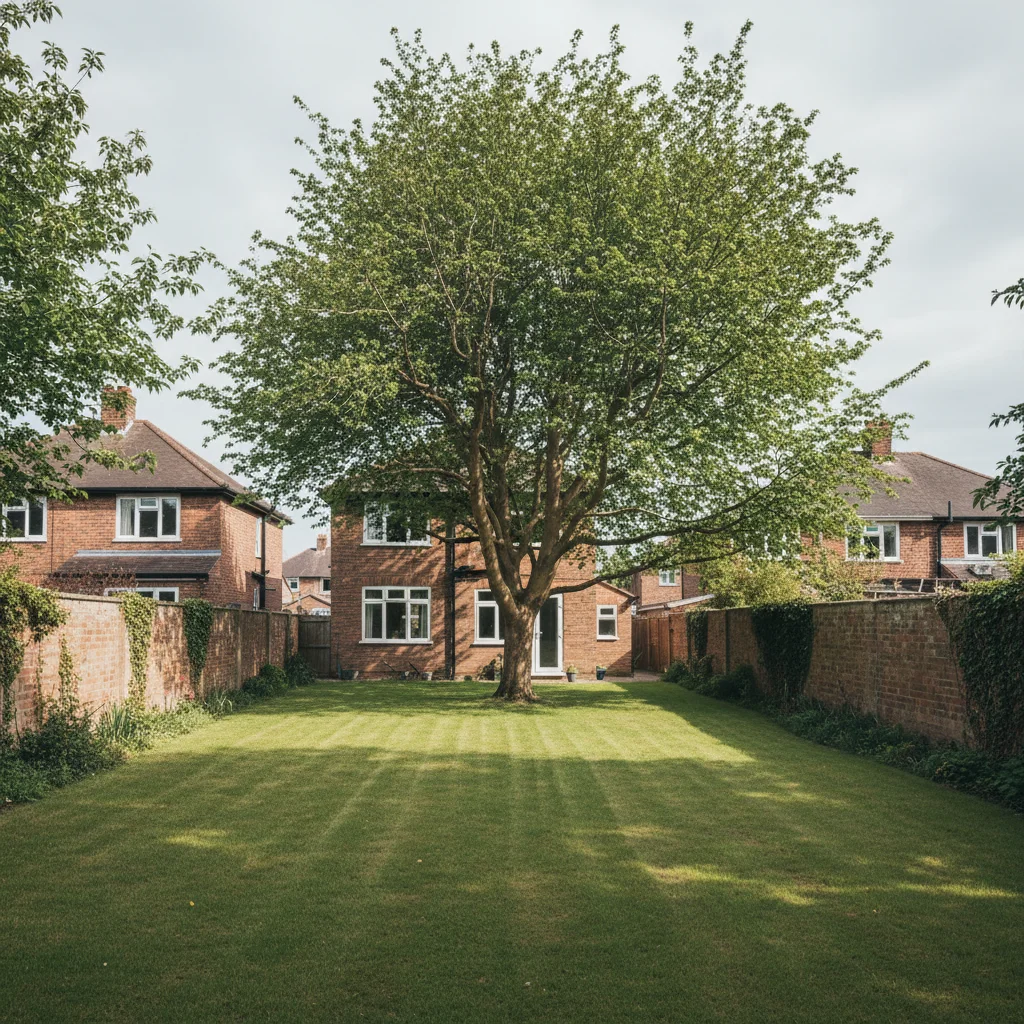
Selective branch removal that lets light and wind through the canopy without changing the tree's outline. Done well, it reduces storm risk on top-heavy trees.
C rown thinning means selectively removing a small percentage of secondary branches throughout the canopy. The outline of the tree doesn't change — but light filters through, wind passes through cleaner, and the canopy is less likely to act as a sail in a storm. It's most commonly recommended for mature broadleaves with dense, heavy canopies: oaks, sycamores, beeches and limes in older Stoke suburbs.
A good thin is usually 10–20% of the canopy. More than that and you risk over-stressing the tree or stimulating dense regrowth ("witches' brooming"). A bad thin is a thoughtless inner strip that leaves all the foliage at the tips of the branches — turning the tree into something with lollipop ends and a hollow middle, which is more wind-sensitive than before, not less.
We match the job to a contractor who'll quote a percentage and a target — "a 15% thin, with focus on dead, crossing and rubbing branches" — not a vague "make it lighter". TPO and Conservation Area paperwork handled before they start.
Mature lime or sycamore casting heavy shade on the lawn
Top-heavy tree the homeowner is worried about in storms
Dense conifer crown blocking light to a south-facing window
Subsidence advice from a surveyor — thinning rather than reducing
Storm-prep on a tree that has end-loaded inner growth
Free. Contractor agrees the percentage and the focus (dead/crossing/rubbing first).
Itemised, includes any council notice timing.
Climbing position, selective removal across the whole canopy, outline preserved.
All brash chipped, walk-around with you to confirm the result.
Crown thinning is priced similarly to a reduction — the kit and climbing time are comparable, but less material is removed.
SEE OUR FULL COST GUIDE →Reducing shortens the outer canopy and changes the tree's envelope. Thinning takes secondary branches out throughout the canopy without changing the outline. A reduction makes the tree smaller; a thin makes the same-sized tree more open. They're often done together on heavy mature broadleaves.
A modest thin (10–20%) and prioritising dead/crossing branches won't. Over-thinning will — the tree responds to the stress by pushing out dense regrowth from the cut points, which is harder to manage long-term. We match jobs to contractors who refuse to over-thin.
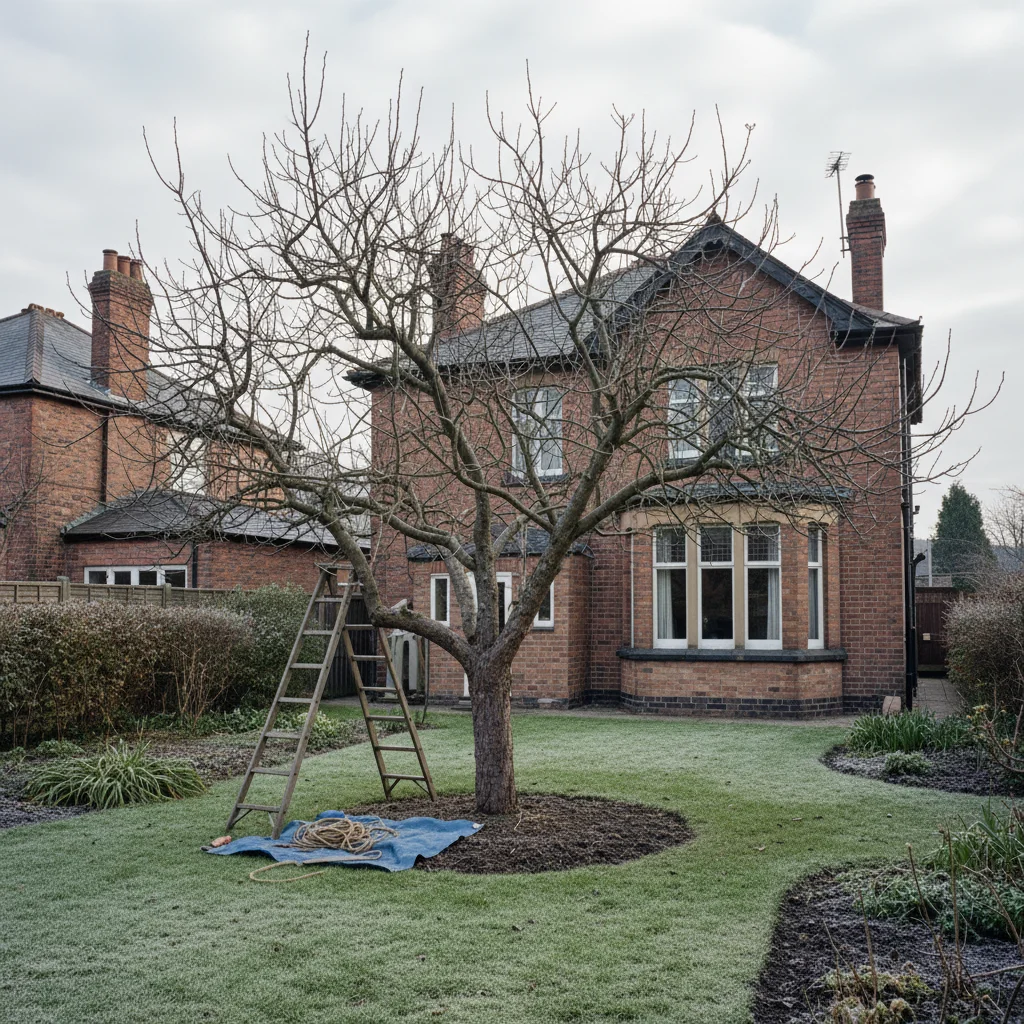
Late autumn through early spring (October to early March) is best for most broadleaves — dormant season, no leaves in the way, no nesting bird risk. Avoid late winter for birch, walnut and cherry (they bleed) and avoid the nesting season (March–August) without a careful pre-work check.
If the tree has a TPO or is in a Conservation Area, yes — even a thin counts as 'tree work' and needs council consent (TPO) or a §211 notice (Conservation Area). We handle the paperwork before quoting.
Pruning windows by species, plus the nesting season rules.
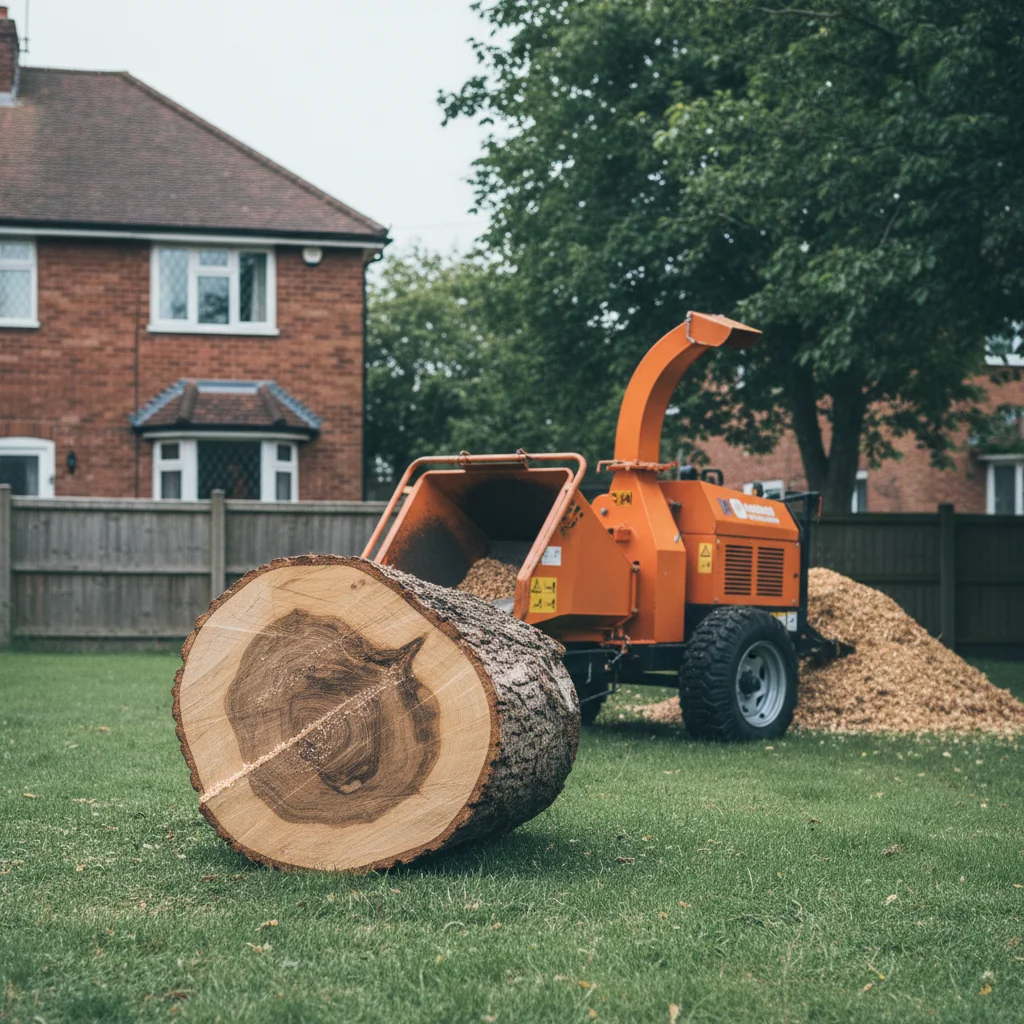
Honest 2026 ranges and what drives cost up.
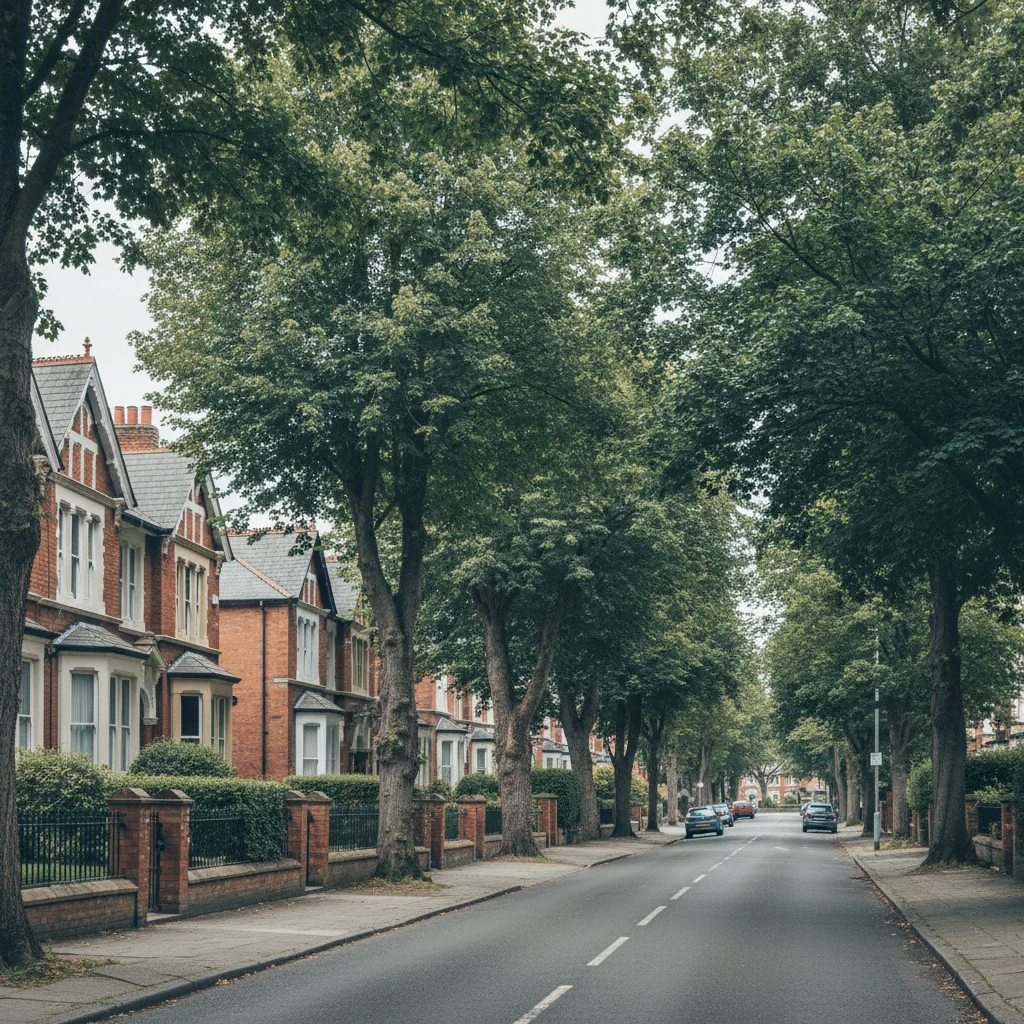
Tree work in a Stoke Conservation Area needs 6 weeks notice.
Free, no-obligation quote for crown thinning from a vetted local contractor — usually within 24 hours.